
Large cleanup and improvement projects can generate much more waste than standard household trash service is designed to handle. Old flooring, cabinets, furniture, construction materials, yard debris, and years of accumulated belongings can quickly take over a driveway, garage, or work area. Having a disposal plan in place before the project begins can make the entire process easier to manage.
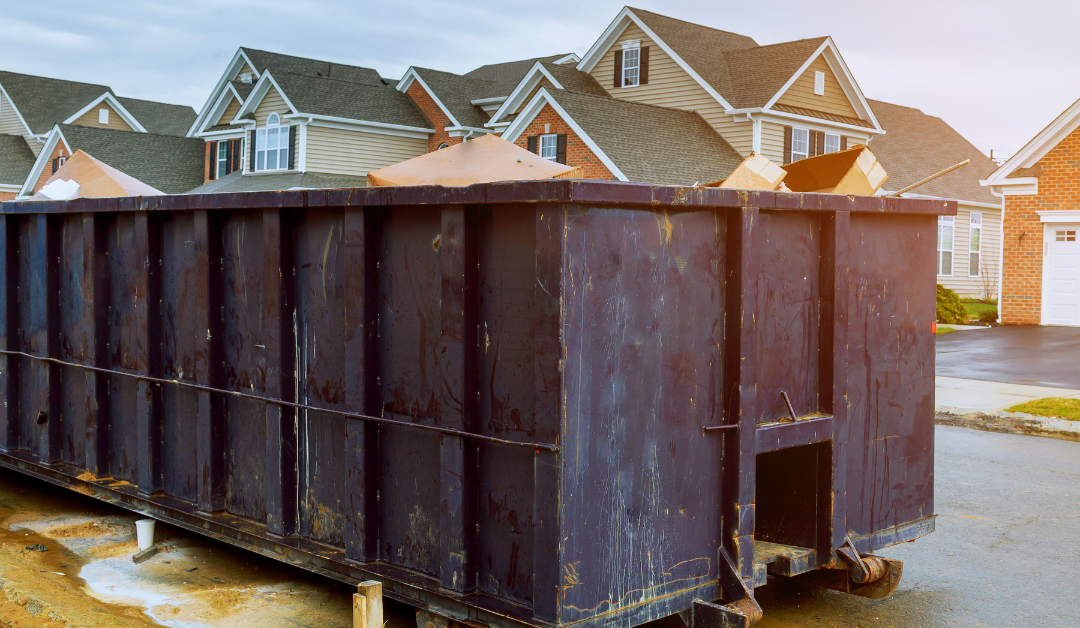
A roll-off dumpster provides a convenient location for collecting large amounts of approved debris while work is underway. Instead of allowing waste to accumulate around the property or making repeated disposal trips, homeowners and contractors can keep materials contained in one designated area.
Mountz Disposal offers temporary dumpster rentals for residential, commercial, and construction projects, making them useful for everything from home cleanouts to major renovations. If you are trying to determine whether your upcoming project could benefit from one, these seven projects are a great place to start.
Why Use a Dumpster for Large Projects?
Regular residential trash collection is designed for everyday household waste. Renovations, demolition projects, property cleanouts, and other major jobs can produce materials that require a different disposal solution.
Planning ahead with a roll-off dumpster helps keep waste from becoming an obstacle as a project progresses. Workers can maintain clearer pathways, homeowners can avoid storing piles of unwanted materials around the property, and cleanup can happen continuously instead of being left until the end.
The right container size depends on the scope of the project and the materials being removed. Thinking about those factors before work begins can help make waste management a natural part of the project plan.
1. Home Renovations and Remodeling
Renovations are among the most common projects that generate substantial amounts of debris. Even updating one room can involve removing flooring, drywall, cabinetry, countertops, trim, fixtures, and other materials.
Kitchen renovations are a good example. Removing old cabinets and countertops can create a large volume of bulky debris before the new materials even arrive. Bathroom remodels may involve old vanities, tile, flooring, drywall, and fixtures. Larger renovations can generate debris from several rooms simultaneously.
Using a roll-off dumpster during a renovation provides a centralized location for approved materials as they are removed. Contractors and homeowners can dispose of debris throughout the project rather than creating temporary piles that will need to be moved again later.
This can also help maintain a more organized work environment. With demolition materials out of the way, there is more room for tools, new building materials, and the work itself.
2. Whole-Home and Estate Cleanouts
Cleaning out an entire home is significantly different from decluttering a closet or organizing one room. Whole-home cleanouts can involve furniture, boxes, damaged household items, old decorations, storage containers, and belongings accumulated over many years.
Estate cleanouts can be particularly extensive because garages, attics, basements, sheds, and spare rooms may all need attention. The process often involves sorting belongings into categories for keeping, donating, selling, recycling, or disposing.
Once those decisions have been made, a roll-off dumpster can provide one location for approved items that need to be discarded.
Having a disposal container available from the beginning can help prevent the property from becoming more cluttered during the cleanout. Instead of moving unwanted belongings from the house into the garage or driveway, items can be handled once and removed from the living space.
For large cleanouts, working one room at a time can also make the project feel more manageable. Finish sorting and clearing one area before moving on to the next.
3. Roofing Projects
Roof replacement can generate a considerable amount of heavy debris in a relatively short period.
As old roofing materials are removed, shingles, underlayment, flashing, and related debris need somewhere to go. Allowing these materials to accumulate around the perimeter of a home can create unnecessary clutter and potential hazards.
A roll-off dumpster gives roofing crews a designated location for approved debris throughout the project. This can make it easier to maintain a cleaner worksite while the old roof is removed and the new roofing system is installed.
Dumpster selection is especially important for roofing because debris can be heavy. The appropriate container will depend on the size of the roof, type of roofing material, and other project details.
Before scheduling a rental, describe the roofing project and expected materials to the dumpster provider. This allows them to help determine an appropriate option and explain any relevant loading or weight requirements.
4. Construction and Demolition Projects
Construction projects can create waste during nearly every phase of the job. Building additions, finishing basements, renovating commercial spaces, replacing interior finishes, and completing structural improvements can all produce debris.
Demolition can generate waste even faster. Removing walls, flooring, cabinetry, decking, or other structures may produce a large amount of material in only a few hours.
A roll-off dumpster can help contractors and property owners maintain a more organized worksite by providing a consistent location for debris.
This matters for both productivity and safety. Construction sites already contain tools, equipment, building materials, and workers moving between different areas. Adding scattered debris to that environment can make navigation more difficult.
Removing waste as it is generated helps keep work areas clearer and allows crews to focus on the next stage of construction rather than repeatedly relocating old materials.
5. Garage, Basement, and Attic Cleanouts
Storage areas tend to collect items homeowners are not ready to deal with at the time. A box gets placed in the basement, an old chair moves into the garage, or unused decorations are carried into the attic. Over the years, these individual items can turn into a substantial amount of clutter.
A major storage-area cleanout may uncover broken furniture, old shelving, unused household goods, boxes, damaged materials, and belongings that have not been touched in years.
For a large project, a roll-off dumpster can make it easier to remove approved unwanted materials as soon as sorting decisions are made.
Start by separating belongings into clear categories. Items in good condition may be suitable for donation or sale, while recyclable materials should be handled appropriately. Only items intended for disposal should go into the container, and homeowners should always confirm whether questionable materials are accepted.
Once unnecessary belongings have been removed, the space can be cleaned and reorganized around the things you actually use.
6. Landscaping and Outdoor Property Projects
Outdoor improvement projects can create substantial amounts of debris, especially when they involve removing existing structures or materials.
A backyard renovation might include replacing fencing, removing an old deck, clearing damaged outdoor features, or updating landscaping. Other projects may involve cleaning up accumulated outdoor materials before installing something new.
Using a roll-off dumpster can help keep approved project debris contained instead of allowing it to spread across the lawn, driveway, or other outdoor areas.
This is particularly useful when several improvements are happening at once. For example, a homeowner may remove an old fence while also cleaning a shed and preparing another part of the yard for a new project.
Before placing landscaping or outdoor debris into any rental container, confirm which materials are accepted. Different types of waste may have different disposal requirements, and checking beforehand can prevent problems during pickup.
7. Moving and Downsizing
Moving is one of the best opportunities to evaluate what you actually want to keep.
Packing everything simply because it is already in the house can mean paying to transport items that will remain unused at the new property. Instead, starting the moving process with a thorough cleanout can reduce the amount of material that needs to be packed, carried, transported, and unpacked.
A roll-off dumpster can be particularly useful when a move involves a long-time family home containing years of accumulated belongings.
Begin in storage areas several weeks before moving day. Garages, basements, attics, closets, and spare bedrooms often contain belongings that are not needed for everyday life, making them logical places to start.
Separate items that can be donated, sold, recycled, or given to friends and family. Approved materials that cannot be reused can then be disposed of appropriately.
By the time packing begins, you will have fewer belongings to organize and a clearer idea of what will actually be moving with you.
Choosing the Right Size for Your Project
Not every project generates the same amount of debris, which is why selecting an appropriate container matters.
Mountz Disposal offers 10-, 15-, and 20-cubic-yard temporary dumpsters. Smaller projects may require less capacity, while major renovations, construction jobs, or large property cleanouts may require additional room.
When choosing a roll-off dumpster, consider the size of the area being cleaned or renovated, the type of materials being removed, and how bulky those materials are.
For example, a relatively small number of large furniture pieces may consume more space than numerous bags of smaller debris. Construction materials may also have weight considerations that need to be discussed before the rental begins.
Rather than guessing, explain the details of your project when requesting a dumpster. The provider can help you understand available options and applicable requirements.
Plan Your Dumpster Placement
Where the container will be placed is another important consideration.
The location should provide appropriate access for delivery and pickup while also making the dumpster convenient to use during the project. For residential jobs, a driveway may provide a practical location when appropriate.
Think about the route people will take when carrying materials from the work area to the container. The closer and more accessible that route is, the less time workers will spend transporting debris.
Keep doors, sidewalks, frequently used pathways, and other necessary access points in mind when planning placement.
Preparing the area before delivery can help ensure the project starts smoothly.
Load the Dumpster Efficiently
Efficient loading can help you make better use of the available container space.
When possible and appropriate, break down bulky materials rather than placing large objects inside with significant empty spaces around them. Load materials in a stable manner and distribute debris thoughtfully.
Do not allow materials to extend beyond permitted fill levels or overload the container. Weight restrictions can be just as important as physical capacity, particularly with dense construction materials.
If you have questions about loading a particular material, ask before placing it inside.
Using your roll-off dumpster carefully helps maintain an organized project while ensuring you follow the rental provider’s requirements.
Know What You Can Dispose Of
One of the most important steps before any project begins is understanding which materials are accepted.
Do not assume that everything removed from a home, garage, construction site, or yard can automatically go into the same dumpster. Certain materials may require specialized disposal or may be prohibited from standard containers.
This is especially important during garage, basement, and estate cleanouts, where homeowners may encounter old chemicals, automotive materials, electronics, paint, batteries, or other products that have been stored for years.
Contact the dumpster provider if you are uncertain about a specific item. It is much easier to determine the proper disposal method before the material is loaded.
Keep the Project Area Organized
The value of a dumpster goes beyond simply having somewhere to put debris.
When waste is removed continuously, contractors and homeowners can maintain clearer working areas. Tools and new materials are easier to access, walkways remain more manageable, and completed sections of the project do not immediately become storage areas for debris from another room.
Try to establish a routine where waste is taken to the dumpster as it is generated. Avoid creating temporary piles unless sorting is necessary.
For projects lasting several days or weeks, this simple habit can make a noticeable difference in how organized the property remains.
When Should You Schedule Your Rental?
Ideally, waste removal should be planned before demolition or cleanup begins.
Waiting until debris has already accumulated can create extra work because materials may need to be moved multiple times. Scheduling ahead allows you to have the container available when the first materials are removed.
Think about how long your project is expected to take and when the majority of debris will be generated.
Homeowners completing a weekend cleanout may have a very different timeline from contractors managing a multi-stage renovation. Discussing your project schedule with the rental provider can help you coordinate delivery and pickup appropriately.
Planning Your Projects
From home renovations and roofing to estate cleanouts and moving, many projects can generate far more debris than expected. Planning how that material will be handled before work begins can save time and help prevent clutter from interfering with the project.
A roll-off dumpster provides a centralized location for approved waste, making it easier to keep residential, commercial, and construction projects organized from beginning to end.
The key is choosing an appropriate size, planning placement, understanding disposal requirements, and incorporating cleanup into the project from day one. With those steps in place, you can spend less time worrying about debris and more time focusing on completing the work.
Contact Mountz Disposal
Have questions about dumpster sizes or an upcoming project? Contact Mountz Disposal to discuss available dumpster rental options and determine which container may be appropriate for your cleanup, renovation, or construction project.
Contact us today to schedule your waste disposal services and make cleanup easy this season.
Stay up to date with the latest at Mountz Disposal by following us on Facebook.