

Recycling is one of the simplest ways homeowners can reduce household waste and make environmentally responsible choices. Every day, families use products made from paper, plastic, glass, and metal, many of which can be processed into new materials rather than being sent to a landfill. However, knowing which recyclable items belong in your curbside recycling bin is not always as straightforward as it seems.
From empty food containers to shipping boxes, many common household products have the potential to be recycled. Learning how to identify these materials and prepare them for collection can help reduce waste, conserve natural resources, and support more effective recycling programs.
Why Recycling Everyday Household Materials Matters
Most households generate waste throughout the day. Preparing meals, opening packages, receiving deliveries, and completing everyday activities all produce materials that eventually need to be discarded.
While some waste belongs in regular garbage, many recyclable items can be collected and processed into new products.
Recycling helps conserve natural resources by reducing the need to extract and process new raw materials. Manufacturing products using recovered aluminum, paper, or other materials can also require less energy than producing them entirely from new resources.
Recycling can also reduce the amount of waste entering landfills, helping conserve available landfill space.
However, recycling is most effective when households understand which materials are accepted and how to prepare them correctly. Placing unsuitable products into recycling containers can contaminate otherwise usable materials and create problems during sorting.
Here are ten everyday materials homeowners should know about.
1. Cardboard Shipping Boxes
Cardboard is one of the most common recyclable materials found in households, especially with the popularity of online shopping.
Shipping boxes, moving boxes, and many other corrugated cardboard products can be recycled through residential recycling programs.
Instead of placing these boxes directly into the garbage, break them down and flatten them before adding them to your recycling container. Flattening cardboard helps conserve space and makes the material easier to collect and process.
Remove excessive packing materials, including plastic foam, air pillows, and other items that may not be accepted through curbside recycling.
Cardboard should also be reasonably clean and dry. Boxes that are heavily contaminated with food, grease, or other substances may not be suitable for recycling.
During the holiday season, when deliveries and packaging tend to increase, cardboard can account for a significant portion of household recyclable items.
Establishing a designated location for empty boxes can make it easier to manage them until collection day.
2. Newspapers
Although many people now read news online, printed newspapers remain a common household material.
Newspapers are generally accepted through residential paper recycling programs and can be processed into new paper products.
Instead of throwing newspapers into regular garbage, place them in your recycling container according to your provider’s instructions.
Keep newspapers clean and dry whenever possible. Paper that becomes saturated with liquids or heavily contaminated may be difficult to recycle.
Recycling newspapers helps recover paper fibers that can be used again, reducing demand for newly manufactured paper.
Homeowners who receive printed newspapers regularly can also collect them in a small indoor recycling container before transferring them to the outdoor bin.
This simple habit helps keep recyclable items separate from ordinary household waste.
3. Office Paper and Printer Paper
Many households generate paper waste through school assignments, work documents, printed instructions, and everyday paperwork.
Standard office paper and printer paper are commonly accepted recyclable items in residential recycling programs. Instead of placing unwanted documents into the trash, collect them with other approved paper products.
Before recycling paperwork, consider whether it contains sensitive personal information. Documents displaying financial details, account numbers, or other confidential information should be securely shredded or destroyed when appropriate.
Check whether your recycling provider accepts shredded paper, as loose shredded material can create difficulties during sorting. Reusing paper is another environmentally friendly option. Sheets printed on only one side can sometimes be used for notes, drafts, or household reminders before being recycled.
Reducing unnecessary printing and recycling unwanted paper can help households manage waste more responsibly.
4. Cereal Boxes and Paperboard Packaging
Cereal boxes, cracker boxes, and many other dry food packages are made from paperboard.
Unlike thicker corrugated shipping boxes, paperboard is relatively thin and lightweight. However, both materials can often be recycled through programs that accept mixed paper products as recyclable items.
Before recycling a cereal box, remove the inner plastic bag and separate any other packaging materials. Flatten the empty box to conserve space in your recycling container.
Paperboard packaging is common throughout the kitchen, making it one of the easiest recyclable items to overlook during everyday cleanup.
However, not all food packaging belongs in the recycling bin. Containers with plastic coatings, heavy food residue, or mixed materials may require different handling.
When uncertain, check your recycling provider’s guidelines rather than assuming that every cardboard-like package is accepted.
5. Plastic Water and Beverage Bottles
Plastic beverage bottles are among the most recognizable materials associated with recyclable items. Water bottles, soda bottles, and certain other beverage containers are commonly accepted through residential recycling programs.
Recycling these containers helps recover plastic materials that may be used to manufacture new bottles, packaging, textiles, or other products.
Before placing a bottle into the recycling bin, empty any remaining liquid and rinse it if necessary.
Follow your provider’s instructions regarding bottle caps, as requirements can vary depending on the recycling facility.
One common misconception is that every plastic product displaying a recycling symbol belongs in curbside recycling.
The number inside the recycling symbol identifies the plastic resin type, but it does not guarantee that the item is accepted locally.
For this reason, homeowners should verify which plastic containers are included in their recycling program.
6. Milk Jugs and Detergent Bottles
Milk jugs and laundry detergent bottles are other common plastic containers that may be accepted as recyclable items. These containers are often made from high-density polyethylene, commonly identified as HDPE.
HDPE is a widely recycled plastic that can be used to manufacture new containers, plastic lumber, piping, and other products.
Before recycling a milk jug, empty it completely and rinse away any remaining milk residue.
Laundry detergent bottles should also be emptied before disposal. Follow local instructions for caps and any attached dispensing components.
Although these containers are often accepted, not every plastic household product is recyclable through curbside collection.
Plastic toys, storage containers, garden hoses, and similar products may require alternative disposal methods.
Separating accepted plastic containers from other household plastics helps prevent contamination and keeps recyclable items moving through the appropriate collection process.
7. Aluminum Beverage Cans
Aluminum cans are among the most valuable materials recovered through recycling programs.
Soda cans, sparkling water cans, and other aluminum beverage containers can often be recycled repeatedly without losing the fundamental properties of the metal.
Producing aluminum from recycled material generally requires substantially less energy than manufacturing aluminum from newly mined raw materials.
This makes aluminum recycling particularly beneficial from an energy conservation perspective.
Before recycling beverage cans, make sure they are empty. A quick rinse can help remove sticky residue and prevent odors.
Avoid placing cans containing leftover liquids into the recycling container.
Aluminum foil and disposable aluminum trays may have different recycling requirements than beverage cans, especially when contaminated with food.
Always check whether these materials are accepted by your collection provider.
8. Steel and Tin Food Cans
Many canned vegetables, soups, beans, and other pantry products come in steel food cans.
These containers are commonly recyclable and provide another opportunity for households to recover valuable metal materials.
Steel can be recycled and reused in numerous applications, including manufacturing, construction, and packaging.
After emptying a food can, rinse away remaining food residue before placing it into the recycling bin.
Be careful when handling sharp edges, particularly if the lid has been completely removed.
Some food cans have paper labels, which generally do not need to be removed unless your recycling provider specifically requires it.
Recycling these containers helps reduce the need for newly produced steel and supports the recovery of materials already circulating through the economy.
With canned foods being common household staples, this is an easy recycling habit to maintain throughout the year.
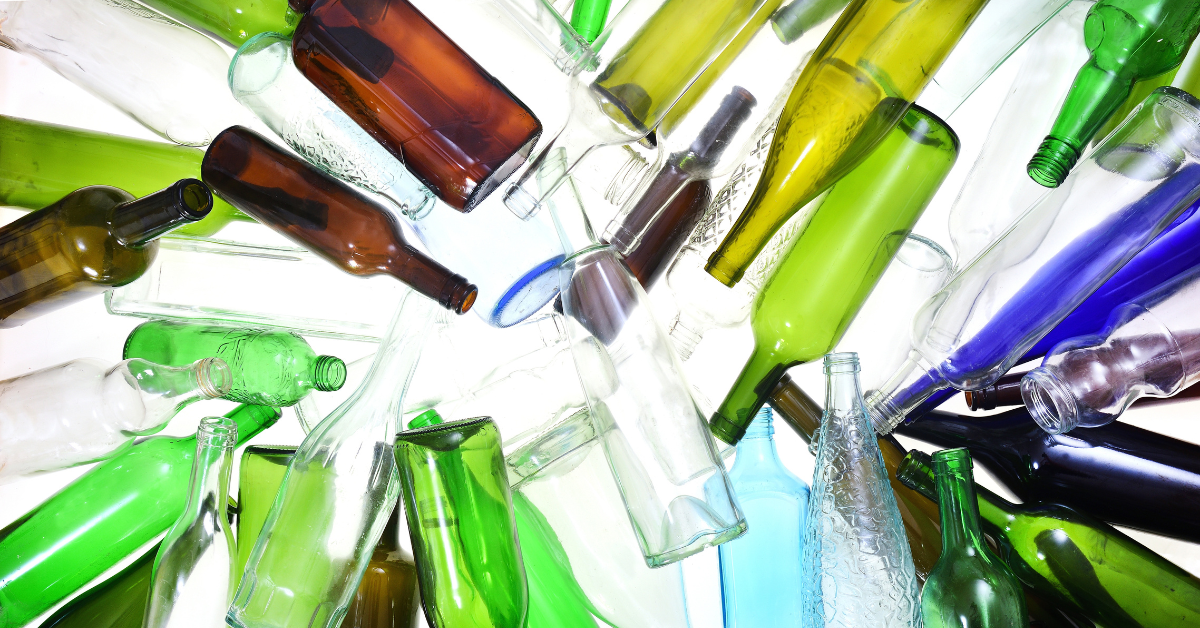
9. Glass Bottles
Glass bottles are another familiar household material that can often be recycled.
Beverage bottles, including those used for juice and other drinks, are commonly accepted in programs that collect glass containers.
Glass recycling allows recovered material to be processed into new glass products, helping conserve raw materials such as sand, soda ash, and limestone.
Before recycling a glass bottle, empty it and rinse away any remaining liquid.
However, it is important to understand that not all glass products belong in the same recycling stream.
Window glass, mirrors, drinking glasses, ceramics, and certain other products have different compositions or manufacturing characteristics than ordinary glass bottles.
These materials may interfere with the recycling process and should not be placed in curbside recycling unless specifically accepted.
When sorting recyclable items made from glass, focus on the bottles and containers approved by your local recycling program.
10. Glass Food Jars
Glass food jars are commonly used for pasta sauce, pickles, jam, condiments, and other pantry products.
Like glass beverage bottles, many food jars can be recycled through residential programs that accept glass containers.
Before recycling a jar, remove any remaining food and rinse the container.
Metal lids may be recyclable, but instructions for handling them vary by provider. Some programs allow lids to remain attached, while others have different requirements.
Glass jars can also be reused around the home before being recycled.
For example, clean jars may be useful for storing small household supplies, organizing craft materials, or holding other nonfood items.
Reusing containers extends their usefulness and can reduce the need to purchase additional storage products.
When jars are no longer needed, recycling provides another environmentally responsible option.
How to Prepare Recyclable Items for Collection
Identifying recyclable materials is only the first step. Preparing them correctly helps recycling programs operate more efficiently.
One of the most important habits is keeping food and liquid residue out of recycling containers.
Empty beverage bottles, rinse food jars, and remove leftover food from accepted containers before placing them into the recycling bin.
Flattening cardboard boxes can also help conserve space and prevent containers from overflowing.
Keep materials loose unless your provider specifically instructs otherwise. Bagging recyclables in plastic trash bags can create problems for sorting equipment and may cause materials to be rejected.
Mountz Disposal offers single-stream recycling in eligible service areas, allowing customers to place approved materials together in one recycling container.
Although this makes collection convenient, it remains important to follow the company’s accepted-material guidelines.
Common Recycling Mistakes to Avoid
Many recycling mistakes happen because homeowners assume that an item is recyclable simply because it is made from paper, plastic, glass, or metal.
However, the material alone does not determine whether an item belongs in curbside recycling.
Plastic grocery bags, flexible packaging, batteries, electronics, and certain household chemicals should not be placed in ordinary recycling containers unless the collection program specifically accepts them.
Some of these materials require specialized recycling facilities, while others may create safety hazards.
Food contamination is another common concern.
A cardboard box covered in grease or a container filled with leftover food can affect the quality of surrounding materials.
Mixing unsuitable materials with recyclable items can also increase processing costs and make sorting more difficult.
When uncertain, contact your waste provider or consult local recycling guidelines before placing an unfamiliar item into the container.
How Recycling Helps Create an Environmentally Friendly Home
Recycling is an important part of responsible household waste management, but it works best alongside other sustainable habits.
Reducing unnecessary purchases, choosing reusable products, and repairing household items can help prevent waste before it is created.
Reusing containers, donating usable belongings, and minimizing excessive packaging can also reduce the amount of material requiring disposal.
When recycling is necessary, sorting materials correctly helps recover resources that would otherwise be discarded.
These practices can also encourage family members to think more carefully about the products they use and the waste they generate.
By making recycling a normal part of daily routines, homeowners can contribute to conserving resources and reducing the environmental impact of household waste.
Make Household Recycling Easier With Mountz Disposal
A reliable recycling service can make environmentally responsible waste management more convenient.
Mountz Disposal is a family-owned waste management company serving Berks County, Pennsylvania, and surrounding communities.
The company provides residential garbage collection and recycling services in eligible areas, helping homeowners manage everyday household waste.
Its single-stream recycling program allows customers to collect approved paper, cardboard, plastic, glass, and metal materials together without sorting each material into a separate container.
This convenient approach can make it easier for households to establish consistent recycling habits.
Whether you are learning which recyclable items belong in your bin or looking for dependable residential waste collection, understanding your local service guidelines is an important first step.
Making Recycling Easy
Recycling does not have to be complicated. Many of the materials households use every day, including cardboard boxes, newspapers, office paper, plastic bottles, aluminum cans, and glass jars, can often be recycled through residential collection programs.
The key is understanding which materials your provider accepts and preparing them correctly.
Keeping containers empty, reducing contamination, and separating materials that require special handling can help make recycling more effective.
By identifying recyclable items and incorporating responsible disposal habits into everyday life, homeowners can reduce unnecessary waste, conserve valuable resources, and contribute to a cleaner environment.
Contact Mountz Disposal
Interested in residential garbage collection or recycling services? Contact Mountz Disposal to learn more about available services and recycling guidelines in your area.
Stay up to date with the latest at Mountz Disposal by following us on Facebook.