

Managing household waste is a routine part of maintaining a clean and organized home, but the container you use can make a bigger difference than you might expect. A garbage bin that is too small can overflow before collection day, while an unnecessarily large container may take up valuable space around your property. Understanding the different types of garbage bins can help homeowners choose an option that works well for their household and everyday waste habits.
Household size, the amount of trash you generate, available storage space, and your waste collection service can all influence which garbage container works best. A household with one or two people may have very different needs from a large family that regularly fills several trash bags each week.
Choosing an appropriate garbage bin is not simply about finding somewhere to put trash. The right container can make collection days easier, keep waste contained, reduce messes, and help maintain a cleaner property throughout the week.
Why Does the Right Garbage Bin Matter?
Most homeowners probably do not spend much time thinking about their garbage containers until there is a problem.
Maybe the lid will not close because the container is overflowing. Perhaps bags are being placed beside the bin because there is not enough room. In other cases, a container may be difficult to move or inconvenient to store between collection days.
Choosing between the different types of garbage bins allows homeowners to find a practical balance between capacity and convenience.
A properly sized container gives household trash enough room while still being manageable to store and move. Secure lids can help keep waste contained and protect it from weather and animals. Wheels can also make larger containers easier to bring to and from the designated collection location.
Consider How Much Waste Your Household Produces
Before choosing a garbage bin, think about how much trash your household typically generates between pickups.
Do not base your decision on one unusually busy week. Instead, consider your average amount of household garbage over several weeks. How many bags do you usually throw away? Does the current container regularly become full before pickup day? Are you frequently placing additional bags beside it?
Household size is an obvious factor, but it is not the only consideration. Two families of the same size can generate very different amounts of waste depending on shopping habits, cooking routines, packaging, recycling, and other everyday activities.
When comparing types of garbage bins, think about your normal waste volume while leaving some additional capacity for weeks when your household produces more trash than usual.
Standard Household Garbage Bins
Standard garbage bins are commonly used for routine residential waste collection. These containers are designed to hold everyday household trash between scheduled pickups.
They typically include a lid to keep waste contained and may include wheels for easier movement. The capacity available will depend on the waste provider and service options in your area.
These containers work well for items that belong in normal household garbage, provided they meet the requirements of your collection service.
A standard residential bin is different from a temporary dumpster used for major cleanouts, construction projects, or renovations. Understanding that distinction can help homeowners select the appropriate waste solution for each situation.
Wheeled Garbage Carts
Wheeled carts are among the most convenient options for residential trash collection.
Rather than carrying a heavy container, homeowners can tilt the cart onto its wheels and roll it toward the appropriate pickup location. This is especially helpful when the bin needs to travel from a garage, side yard, or storage area to the curb or another collection point.
Wheeled carts usually have attached lids, which helps prevent the lid from being misplaced and makes the container easier to manage.
Among the different types of garbage bins available for residential use, wheeled carts are particularly practical for households that want a container that can be moved easily even when it contains several bags of trash.
Smaller Garbage Bins
A smaller garbage container may be sufficient for individuals, couples, or households that consistently generate relatively little trash.
Choosing a smaller option can make sense when the container comfortably holds everything produced between scheduled pickups. Smaller bins may also be easier to store when outdoor space is limited.
However, homeowners should avoid choosing a smaller container solely because it takes up less space. If the bin routinely overflows, the household may need additional capacity.
Trash bags extending beyond the top can prevent the lid from closing properly and make the area around the container less tidy. Overflowing waste can also become more vulnerable to rain, wind, pests, and animals.
Larger Garbage Bins
Larger households or homes that consistently produce more waste may benefit from additional garbage capacity.
Families with children, multi-generational households, and homes with several occupants can produce significantly more weekly waste than a one-person household. Choosing a larger bin can provide enough space to keep that trash contained until collection day.
When considering larger types of garbage bins, homeowners should think about both capacity and storage. Make sure there is an appropriate place to keep the container between pickups and that it can be moved safely when full.
The goal is not simply to choose the largest available option. It is to select enough capacity for the household’s normal waste without creating unnecessary inconvenience.
Garbage Bins With Secure Lids
A lid may seem like a basic feature, but it plays an important role in residential waste management.
A properly closed lid helps contain garbage, reduce exposure to rain, and discourage animals from accessing the contents. It can also help keep lightweight materials from blowing around the property on windy days.
If your current bin’s lid is damaged or does not close because the container is consistently too full, it may be worth reconsidering your setup.
Homeowners should avoid packing waste so high that the lid cannot close properly. If this happens regularly, additional capacity may be a better long-term solution.
Indoor Garbage Bins vs. Outdoor Collection Bins
Not all garbage containers serve the same purpose.
Indoor trash cans are designed to collect waste within kitchens, bathrooms, bedrooms, offices, and other areas of the home. Once these smaller containers become full, their bags are typically transferred to the larger outdoor container used for collection.
Outdoor residential bins need to hold multiple household trash bags and withstand exposure to changing weather conditions.
Understanding the different purposes of these types of garbage bins can help homeowners develop a more efficient waste routine. Indoor containers make everyday disposal convenient, while the outdoor bin serves as the central collection point until scheduled pickup.
Garbage Bins vs. Recycling Bins
Garbage and recycling containers may look similar, but they serve different purposes.
A garbage bin is intended for approved household waste, while recycling containers are intended for materials accepted by the applicable recycling program. Mixing the two can create problems and may prevent recyclable materials from being processed correctly.
Homeowners should become familiar with the guidelines provided by their local collection service rather than assuming that every paper, plastic, metal, or glass item belongs in a recycling container.
Separating waste correctly at the source can make household trash management much easier. Consider creating designated areas inside the home for garbage and recycling so family members know where each item belongs before it reaches the outdoor containers.
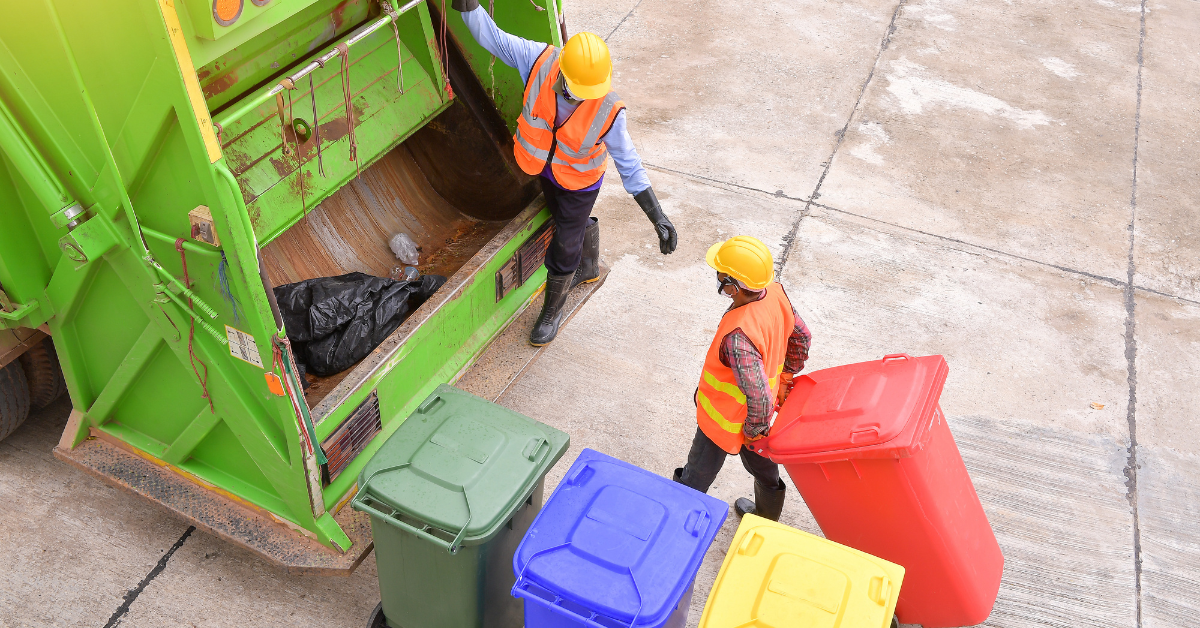
What Should You Consider When Choosing a Garbage Bin?
There is no single garbage container that is perfect for every home. Your ideal setup depends on several practical considerations.
Before choosing a container, consider:
- Number of people in the household
- Typical amount of weekly garbage
- Frequency of scheduled collection
- Available outdoor storage space
- Distance the bin must be moved for pickup
- Whether wheels would make transportation easier
- Whether the lid closes securely when the bin is full
These factors provide a better picture of what your household actually needs.
When evaluating types of garbage bins, focus on everyday practicality rather than simply choosing based on appearance or maximum capacity.
How to Prevent Overflowing Garbage Bins
If your garbage container regularly overflows before collection day, the first step is determining why.
Your household may simply need more capacity. However, overflowing trash can sometimes indicate that recyclable materials, bulky items, or waste from larger projects are being placed into the regular household container.
Review what is taking up the most space.
Breaking down appropriate packaging before disposal may help conserve room. Separating accepted recyclables can also prevent unnecessary material from filling the garbage bin.
If the issue continues week after week, speak with your waste provider about the options available for your household.
Keep Your Garbage Bin Clean
Garbage containers naturally become dirty over time, especially during warm weather.
Bagging household trash securely before placing it inside the outdoor container can help prevent loose waste and liquids from collecting at the bottom. Make sure bags are tied properly and avoid overfilling them to the point that they tear.
Periodically cleaning the container can also help control odors and residue.
After the bin has been emptied, rinse or clean it as appropriate and allow it to dry before adding new trash. Keeping the lid closed between uses can help prevent rainwater and debris from entering.
No matter which types of garbage bins your household uses, basic maintenance can make them more pleasant and sanitary to handle.
What About Large Home Cleanup Projects?
Regular garbage bins are intended for everyday household waste, not every type of project.
Cleaning out an entire basement, remodeling a kitchen, removing construction materials, clearing an estate, or completing another large project can generate significantly more waste than a residential container can hold.
In those situations, a temporary dumpster may be more appropriate.
Mountz Disposal provides both regular waste collection and temporary dumpster rental options, allowing customers to use a waste solution suited to the scope of the project.
Planning ahead can prevent homeowners from overwhelming their everyday garbage container with materials generated by a large cleanup or renovation.
Think About Seasonal Changes in Household Waste
The amount of garbage a household produces can change throughout the year.
Holidays, family gatherings, moving, back-to-school routines, and seasonal decluttering can temporarily increase waste. Understanding these patterns can help homeowners prepare rather than being surprised by an overflowing bin.
Fall, for example, is a popular time to reorganize garages, basements, and storage spaces before winter. The holiday season can also bring additional packaging and household waste.
Routine household garbage should continue to go through the appropriate residential collection service, while larger cleanup projects may require a different disposal solution.
Create Better Household Waste Habits
Choosing the right container is only one part of managing household waste.
Developing simple routines can help prevent overflowing bins and make collection day easier. Encourage everyone in the household to use garbage and recycling containers correctly. Take full indoor trash bags to the outdoor container regularly instead of allowing them to accumulate inside.
Check the outdoor bin before major cleaning projects so you know how much capacity remains before the next pickup.
It can also help to designate one person to make sure the container is placed in the proper collection location at the appropriate time.
Small habits like these can make household waste management much more predictable.
Which Garbage Bin Is Right for Your House?
The best garbage container is one that comfortably accommodates your household’s typical waste while remaining convenient to store and move.
A smaller household may not require as much capacity, while a larger family may need a container capable of holding several bags between pickups. Wheels, secure lids, storage space, and collection frequency should also factor into the decision.
Understanding the types of garbage bins available and thinking realistically about your household’s waste habits can help you choose a setup that works throughout the year.
If your current bin consistently overflows or is difficult to manage, it may be worth reviewing your residential waste service and determining whether another option better fits your needs.
Making Life Easier
Garbage bins may be simple household necessities, but choosing the appropriate container can make everyday waste management considerably easier.
Start by considering the amount of trash your household generates, how frequently it is collected, where the container will be stored, and how easily it can be moved. Then consider whether your current setup provides enough capacity to keep garbage contained until collection day.
Learning about the different types of garbage bins can also help you recognize when ordinary residential collection is sufficient and when a larger cleanup may require another waste solution.
With the right container and consistent household habits, homeowners can keep trash contained, collection days organized, and their properties cleaner throughout the year.
Contact us today to schedule your waste disposal services and make cleanup easy this season.
Stay up to date with the latest at Mountz Disposal by following us on Facebook.