
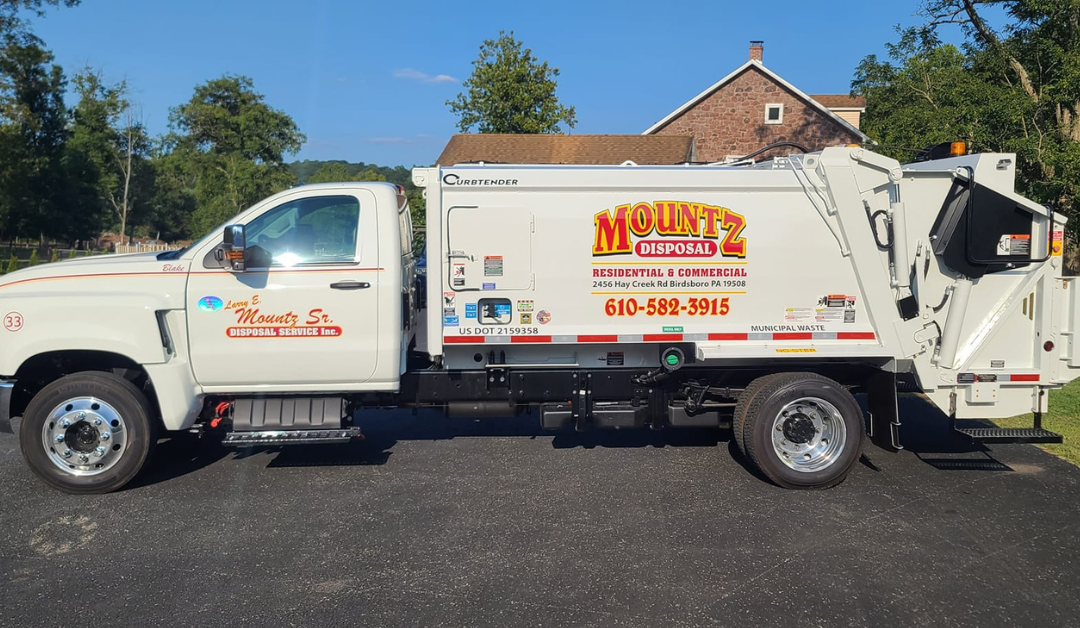
Managing waste consistently is an important part of keeping homes, job sites, and businesses clean and functional. While many people are familiar with one-time pickups or temporary dumpster rentals, fewer understand how scheduled waste disposal works or when it makes sense to use it. This type of service is designed for situations where waste is generated regularly and needs to be removed on a predictable schedule.
Scheduled waste disposal helps prevent overflow, reduces disruptions, and supports cleaner environments by creating a routine approach to waste removal. Instead of reacting to trash buildup, property owners and managers can plan ahead and rely on consistent service.
Understanding the Concept of Scheduled Waste Disposal
At its core, scheduled waste disposal is a waste management service that operates on a recurring timetable. Rather than calling for pickup only when waste becomes an issue, customers set a regular schedule for waste removal. That schedule may be weekly, biweekly, or based on another consistent interval depending on the amount and type of waste being generated.
The main purpose of scheduled waste disposal is predictability. Waste is removed before it becomes a problem, allowing properties to stay organized and safe without last-minute arrangements. This approach is commonly used by businesses, contractors, and property managers, but it can also benefit homeowners in certain situations.
By planning waste removal in advance, customers gain greater control over cleanliness, safety, and daily operations.
Why a Scheduled Approach to Waste Removal Matters
Waste that is allowed to accumulate creates more than just clutter. It can lead to safety hazards, unpleasant odors, pest issues, and interruptions to normal operations. A scheduled approach reduces these risks by ensuring waste is removed at regular intervals.
With scheduled waste disposal in place, there is less need to constantly monitor container levels or worry about overflowing bins. The routine nature of the service supports smoother operations and allows people to focus on their work or daily responsibilities instead of waste management logistics.
This consistency is especially important in environments where cleanliness and organization are essential, such as active job sites or customer-facing businesses.
How Scheduled Waste Disposal Works Step by Step
While details can vary depending on the provider and property type, the process typically follows a straightforward structure. Customers start by evaluating how much waste they generate and how often it needs to be removed. Based on that information, an appropriate container size and pickup frequency are selected.
Once the schedule is established, waste is collected and removed according to the agreed timeline. The service continues automatically unless changes are requested, eliminating the need for repeated scheduling calls or emergency pickups.
Because the process is predictable, scheduled waste disposal creates a stable routine that supports planning and efficiency over time.
Common Situations Where Scheduled Waste Disposal Is Used
Scheduled waste disposal is especially useful in environments where waste is produced consistently rather than occasionally. Businesses with daily operations often rely on it to manage trash, packaging, and other materials without interruption. Contractors and builders use it to keep job sites clear as projects move through different phases.
Property managers frequently choose scheduled waste disposal to maintain clean shared spaces and prevent overflow at multi-unit properties. In these situations, consistency matters more than flexibility, making a scheduled solution a practical choice.
Some residential situations can also benefit, particularly during long-term renovations or extended cleanout projects.
Residential Uses for Scheduled Waste Disposal
While many homeowners rely on curbside pickup, there are situations where scheduled waste disposal offers added value. Large renovation projects, estate cleanouts, or ongoing decluttering efforts can generate more waste than standard residential service can handle.
With scheduled waste disposal, homeowners can maintain a steady cleanup pace without waiting for bins to empty or arranging multiple one-time pickups. This helps keep the property safer and more organized throughout the project.
Planning waste removal in advance can also reduce stress and help projects stay on track.
Commercial Applications and Ongoing Operations
In commercial settings, waste management is part of everyday operations. Retail stores, offices, restaurants, and service providers all generate waste that must be removed reliably. Scheduled waste disposal supports these environments by preventing disruptions caused by missed or delayed pickups.
When waste removal is predictable, staff can follow clear disposal procedures, and managers can avoid issues related to overflow or unsanitary conditions. This consistency also helps support compliance with local waste regulations.
For many businesses, scheduled waste disposal is not just convenient, but essential.
Environmental Considerations and Efficiency
A structured waste removal schedule also supports environmental responsibility. By reducing the need for emergency pickups and consolidating waste into planned collections, scheduled waste disposal can help lower fuel use and transportation-related emissions.
Consistent collection also improves how waste is handled at disposal or recycling facilities. When waste arrives in organized loads, it can be processed more efficiently, supporting responsible handling practices.
These efficiencies benefit both the environment and the surrounding community.
Predictable Costs and Easier Planning
One practical advantage of scheduled waste disposal is cost predictability. Because service occurs on a set schedule, expenses are easier to anticipate and budget for over time. This is especially helpful for businesses and property managers managing operating costs.
Rather than paying for repeated one-off services, customers can plan waste removal as part of their regular expenses. This reduces the risk of unexpected costs caused by last-minute or emergency pickups.
Predictability in both service and pricing supports long-term planning and stability.
Choosing the Right Service Schedule
Selecting the right pickup frequency is a key part of setting up scheduled waste disposal. Too few pickups can lead to overflow, while too many may be unnecessary. The right balance depends on waste volume, container size, and how quickly materials accumulate.
A knowledgeable provider can help assess these factors and recommend a schedule that fits the property’s needs. Over time, schedules can be adjusted as waste patterns change.
This flexibility ensures the service continues to work effectively as circumstances evolve.
Signs Scheduled Waste Disposal May Be Right for You
There are a few indicators that a scheduled approach may be a better fit. If waste regularly overflows before pickup, if last-minute disposal requests are common, or if cleanliness issues arise between collections, a more consistent solution may be needed.
Scheduled waste disposal is also helpful when multiple people use the same disposal area, such as in shared commercial or residential properties. A routine schedule helps reduce confusion and keeps waste areas manageable.
Recognizing these signs early can prevent larger issues down the line.
Working With a Professional Waste Provider
A reliable waste management plan depends on working with a provider who understands local requirements and service expectations. Professional providers handle transportation, disposal, and compliance, allowing customers to focus on their primary responsibilities.
With scheduled waste disposal, reliability and communication are especially important. A dependable provider ensures pickups occur as planned and that adjustments are handled smoothly when needed.
Local providers often add value through familiarity with regional regulations and responsive service.
Long-Term Benefits of a Scheduled System
Over time, a scheduled approach to waste removal supports cleaner properties, safer environments, and more efficient operations. Instead of reacting to waste buildup, customers benefit from a proactive system that keeps conditions under control.
Scheduled waste disposal also encourages better habits around organization and planning. When waste management becomes routine, it is easier to maintain standards and avoid lapses that lead to larger problems.
These long-term benefits make scheduling an effective solution for many property types.
Supporting Cleaner Spaces
Understanding how scheduled waste disposal works makes it easier to decide whether it fits your needs. By offering predictability, efficiency, and consistency, this type of service supports cleaner spaces and smoother operations across residential, commercial, and project-based settings.
When waste removal is planned rather than reactive, properties remain safer, more organized, and easier to manage. For many situations, scheduled waste disposal provides the structure needed to handle waste responsibly and effectively.
Contact us today to schedule your waste disposal services and make cleanup easy this season.
Stay up to date with the latest at Mountz Disposal by following us on Facebook.