
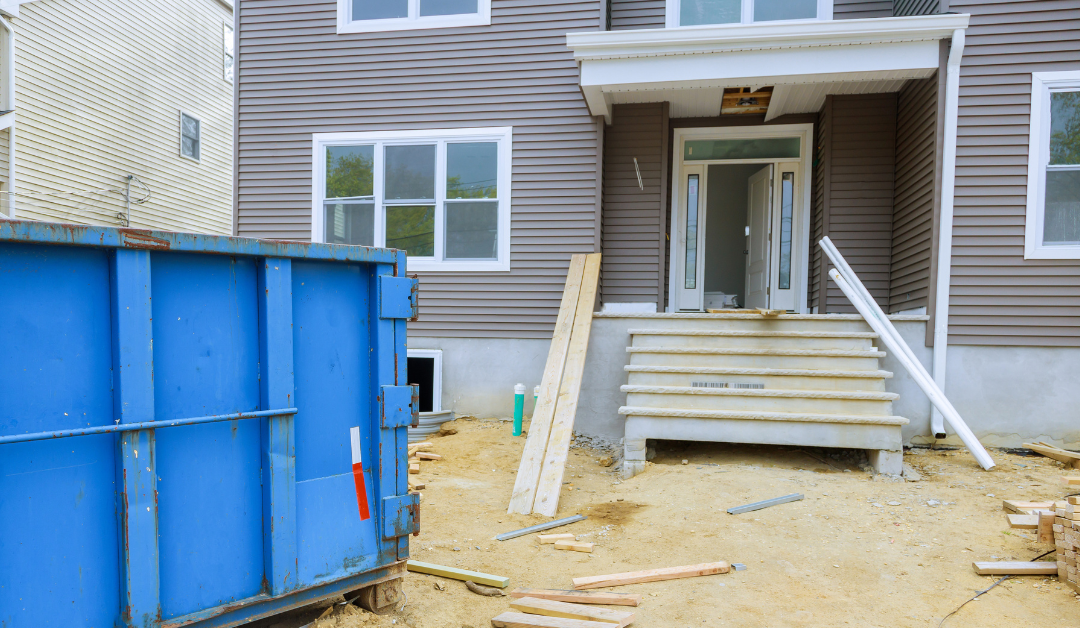
Waste removal might not be something homeowners think about often. Weekly trash pickup works well for everyday needs, and bulky items can often be managed with occasional drop-offs or special collections. However, certain projects create far more waste than normal household routines can handle. That is where a residential dumpster becomes a great option.
Understanding what this type of container is and when it makes sense to use one can help homeowners plan projects more efficiently, reduce clutter, and avoid unnecessary stress.
Understanding What a Residential Dumpster Is
A residential dumpster is a temporary waste container designed for use at private homes rather than commercial or industrial properties. These containers are delivered to a driveway, yard, or approved curbside location and remain on site for a set period of time. During that time, homeowners can place approved materials directly into the container for removal.
Unlike standard trash bins, these containers are built to handle larger volumes of debris. They are commonly used during home projects that generate bulky or heavy waste, such as renovation debris, furniture, or yard materials. Once the rental period ends, the container is picked up, and the contents are taken to an appropriate disposal or processing facility.
How Residential Dumpsters Differ From Regular Trash Service
Weekly trash service is designed for routine household waste. It limits the amount and size of materials that can be placed at the curb and usually excludes construction debris or large items. A residential dumpster fills the gap between everyday trash service and self-hauling waste to a landfill.
This option allows homeowners to manage waste at their own pace rather than waiting for pickup days or coordinating multiple trips. It also keeps debris contained in one place, which helps maintain a cleaner and safer property during projects.
Common Situations Where Homeowners Use a Residential Dumpster
There are several scenarios where renting a dumpster becomes especially helpful. These situations often involve waste volume or material types that exceed what curbside service allows.
- Home cleanouts involving garages, basements, or attics
- Moving or downsizing efforts
- Interior renovations, such as kitchens or bathrooms
- Flooring, drywall, or fixture removal
- Yard cleanups involving branches or landscaping debris
In these cases, a residential dumpster provides a centralized place for waste, making cleanup faster and more manageable.
Benefits of Using a Residential Dumpster at Home
One of the main advantages of renting a dumpster is convenience. Having waste removal available on site eliminates the need to store debris in piles or make repeated disposal trips. This convenience supports better organization throughout a project.
A residential dumpster also improves safety. Loose debris, sharp materials, and heavy items can create tripping hazards when left around the property. Keeping waste contained reduces these risks and helps maintain clear pathways.
Another benefit is flexibility. Homeowners can work through their project on their own timeline without being limited by weekly trash schedules or special pickup availability.
Choosing the Right Size for Your Project
Selecting the correct container size is an important part of planning. Sizes vary depending on the scope of the project and the type of materials being discarded. Smaller containers are often suitable for single-room cleanouts or minor renovations, while larger options work better for whole-house projects or extensive yard work.
A residential dumpster should be large enough to hold all anticipated debris without overflowing, but not so large that it takes up unnecessary space. Estimating volume ahead of time helps prevent delays or the need for additional pickups.
A waste service provider can help assess the project details and recommend an appropriate size based on experience with similar jobs.
Placement and Preparation Considerations
Before delivery, homeowners should plan where the container will be placed. Driveways are common locations because they provide a stable surface and easy access. Some properties may allow placement on gravel or other firm areas with proper preparation.
It is important to ensure that the location allows enough clearance for delivery and pickup. When placing a residential dumpster, homeowners should also consider protecting surfaces if needed and keeping the area clear of vehicles or obstacles.
Checking local guidelines for curbside placement is also helpful, especially if the container will be placed near a public right-of-way.
Responsible Waste Handling and Environmental Impact
Using a dumpster supports more organized waste handling, which can contribute to environmental responsibility. When debris is collected in a structured way, it is easier for waste facilities to process materials correctly.
A residential dumpster helps prevent debris from being scattered or improperly discarded, reducing the risk of pollution. It also minimizes the number of trips required to transport waste, which can lower fuel use and emissions.
Planning waste removal in advance encourages homeowners to think more carefully about disposal choices and recycling opportunities.
Working With a Local Waste Provider
Choosing a local provider can offer advantages such as familiarity with regional regulations and faster response times. Local companies understand community needs and can provide guidance on placement, scheduling, and material guidelines.
A residential dumpster rental through a trusted provider ensures that waste is handled according to local requirements and transported to appropriate facilities. This reduces uncertainty and simplifies the process for homeowners.
Planning Ahead for Smoother Projects
One of the most common challenges in home projects is underestimating waste. Planning for waste removal early helps avoid delays and keeps work areas clear. A residential dumpster supports this planning by offering a predictable solution from start to finish.
By considering waste management alongside project timelines, homeowners can maintain better organization and reduce disruptions.
Using a Residential Dumpster
Understanding what a residential dumpster is and when it makes sense to use one allows homeowners to approach projects with greater confidence. From cleanouts to renovations, having an on-site waste solution helps maintain cleanliness, safety, and efficiency.
When waste is managed proactively, projects tend to run more smoothly and with fewer unexpected issues. Thoughtful planning and responsible disposal contribute to better outcomes for both the property and the surrounding community.
Contact us today to schedule your dumpster rental and make cleanup easy this season.
Stay up to date with the latest at Mountz Disposal by following us on Facebook.